

Introduction
Modern medicine is entering an era where diseases once considered incurable may now be treated at their genetic roots. Through gene therapy, scientists can modify or replace defective genes responsible for serious medical conditions. These therapies hold enormous promise for patients suffering from rare genetic disorders, inherited blindness, blood diseases, and certain cancers.
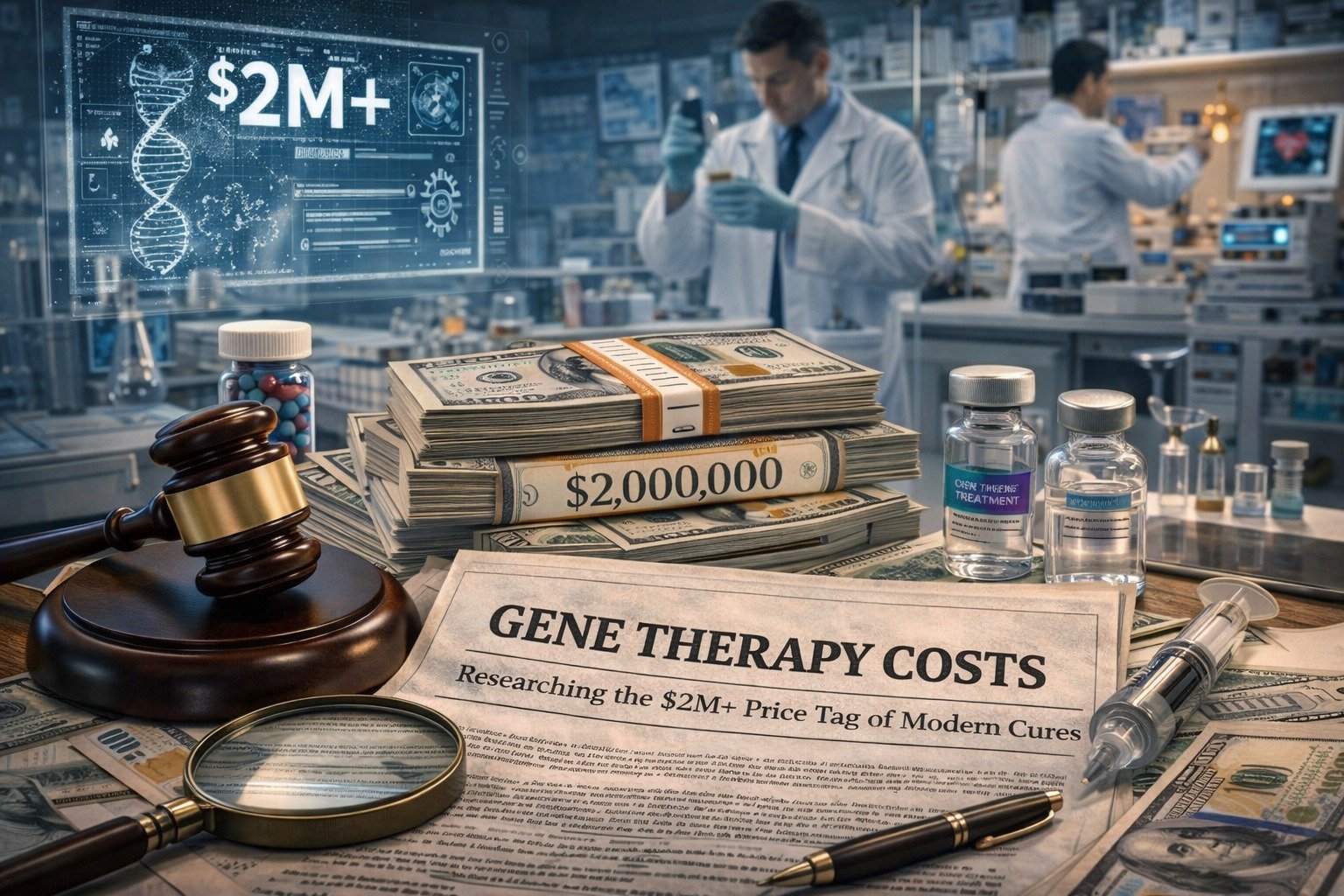
Yet alongside these groundbreaking scientific advances comes a striking economic reality: many gene therapies now carry price tags exceeding $2 million per patient. Treatments designed to cure conditions with a single injection or infusion can cost more than a luxury home.
This extraordinary cost raises important questions for healthcare systems, policymakers, insurers, and patients. Why are gene therapies so expensive? Are these prices justified by the science and development costs behind them? And how can healthcare systems ensure that life-saving treatments remain accessible to those who need them?
This article explores the complex economics behind gene therapy pricing, examining the scientific, regulatory, and financial factors that contribute to the multimillion-dollar cost of modern genetic medicine.
Understanding Gene Therapy
Gene therapy is a medical treatment that modifies a patient’s genetic material to correct or compensate for defective genes.
Many diseases are caused by mutations or missing genes that disrupt normal biological functions. Gene therapy aims to address the underlying genetic cause rather than simply treating symptoms.
There are several approaches to gene therapy:
Gene Replacement
A healthy copy of a defective gene is delivered to a patient’s cells.
Gene Editing
Technologies such as CRISPR allow scientists to directly modify genetic sequences.
Gene Silencing
Certain therapies block the activity of harmful genes.
Immune Cell Engineering
Some therapies modify a patient’s immune cells to better fight diseases such as cancer.
Most gene therapies use viral vectors—modified viruses designed to deliver genetic material safely into human cells.
These advanced treatments can potentially cure diseases with a single intervention.
Examples of High-Cost Gene Therapies
Several gene therapies have recently entered the market with extremely high prices.
These therapies treat rare but devastating conditions, often affecting children.
Examples include treatments for:
- Spinal muscular atrophy
- Inherited retinal diseases
- Certain forms of hemophilia
- Rare metabolic disorders
Some of these treatments exceed $2 million per patient, making them among the most expensive medical treatments ever developed.
While the prices may seem shocking, they reflect a combination of scientific complexity, regulatory requirements, and economic factors.
Why Gene Therapies Are So Expensive
The cost of gene therapy arises from multiple components across the drug development pipeline.
Research and Development Costs
Developing new gene therapies requires extensive research, often spanning decades.
Scientists must identify disease-causing genes, design safe delivery systems, and conduct laboratory experiments before human trials can begin.
Biotechnology companies invest billions of dollars in research, much of which fails before producing a successful therapy.
The costs of unsuccessful research projects are often reflected in the price of successful treatments.
Complex Manufacturing Processes
Gene therapies are biologically complex products that require specialized manufacturing facilities.
Producing viral vectors involves:
- Genetic engineering of viral particles
- Strict contamination controls
- High-quality laboratory environments
- Advanced biotechnology equipment
Unlike traditional pharmaceuticals, gene therapies cannot be mass-produced using simple chemical processes.
Each batch may require careful biological preparation and testing.
Small Patient Populations
Many gene therapies target rare genetic diseases affecting only a small number of patients.
When development costs are divided across limited patient populations, companies often charge higher prices to recover their investments.
For example, a therapy developed for a disease affecting only a few thousand patients worldwide may require extremely high pricing to remain commercially viable.
Clinical Trial Expenses
Clinical trials for gene therapies are particularly expensive.
Researchers must conduct extensive testing to ensure:
- Safety of viral vectors
- Long-term genetic stability
- Effectiveness of treatment
- Monitoring for unexpected immune reactions
Because gene therapies permanently alter genetic material, regulators often require long-term follow-up studies lasting many years.
These requirements add significant costs to the development process.
The One-Time Cure Pricing Model
Traditional medications often generate revenue through repeated treatments over many years.
Gene therapies, however, are typically designed as one-time treatments.
This creates a different pricing model.
Instead of charging smaller amounts over a patient’s lifetime, companies may set high upfront prices reflecting the long-term value of a potential cure.
For example, if a gene therapy permanently cures a disease that would otherwise require decades of expensive medical care, the therapy may be priced based on the estimated cost savings.
While this approach can be economically rational, it also creates financial challenges for healthcare systems and insurers.
Healthcare System Challenges
The high cost of gene therapies presents major challenges for healthcare providers and insurance systems.
Budget Impact
Even if a therapy is cost-effective over the long term, paying millions of dollars upfront can strain healthcare budgets.
Insurance Coverage
Insurance companies must decide whether to cover expensive therapies and how to manage payment structures.
Access Inequality
High costs may limit access for patients in low-income countries or underfunded healthcare systems.
These challenges have sparked global debates about how gene therapies should be financed.
Alternative Payment Models
To address affordability concerns, healthcare systems and pharmaceutical companies are exploring alternative payment models.
Outcome-Based Pricing
Under this model, payments are tied to the therapy’s effectiveness.
If the treatment fails to deliver expected results, the manufacturer may refund part of the cost.
Installment Payments
Instead of paying millions of dollars upfront, insurers may spread payments over several years.
Risk-Sharing Agreements
Healthcare systems and drug manufacturers share financial risks associated with uncertain treatment outcomes.
These innovative payment models aim to balance affordability with incentives for pharmaceutical innovation.
The Role of Government Regulation
Governments play a critical role in regulating gene therapy pricing and access.
Regulatory agencies evaluate gene therapies to ensure safety and effectiveness before approval.
However, pricing regulation varies widely across countries.
Some governments negotiate drug prices directly with pharmaceutical companies, while others rely on market competition.
In many cases, regulators must balance two competing goals:
- Encouraging medical innovation
- Ensuring affordable access to treatments
Finding the right balance remains a significant policy challenge.
Ethical Questions Surrounding Gene Therapy Costs
The high price of gene therapy raises important ethical questions.
Equity in Healthcare
Should life-saving treatments be available only to those who can afford them?
Global Health Inequality
Many low-income countries lack access to advanced genetic therapies.
Value of Human Life
How should healthcare systems determine the value of treatments that cure rare diseases?
These ethical debates are shaping discussions among policymakers, healthcare providers, and bioethicists.
Intellectual Property and Patents
Patent protection plays a major role in gene therapy pricing.
Pharmaceutical companies rely on patents to protect their investments in research and development.
Patents grant exclusive rights to manufacture and sell new therapies for a limited period, allowing companies to recover development costs.
However, critics argue that patent monopolies can lead to excessively high prices.
Balancing intellectual property rights with public health interests remains a central challenge in the biotechnology industry.
The Future of Gene Therapy Costs
Despite current high prices, experts expect gene therapy costs to decrease over time.
Several factors may contribute to cost reductions:
Improved Manufacturing Technology
Advances in biotechnology may streamline viral vector production.
Increased Competition
As more companies develop gene therapies, market competition may lower prices.
Scalable Production Methods
Automation and improved production systems could reduce manufacturing expenses.
New Delivery Technologies
Non-viral gene delivery systems may offer cheaper alternatives.
These developments could make gene therapies more accessible in the future.
Expanding Applications of Gene Therapy
Gene therapy research continues to expand beyond rare genetic diseases.
Scientists are exploring applications for conditions such as:
- Cancer
- Heart disease
- Neurological disorders
- HIV infection
- Autoimmune diseases
If gene therapies become widely used for common diseases, larger patient populations could help reduce costs through economies of scale.
The Role of Artificial Intelligence in Drug Development
Artificial intelligence is increasingly used to accelerate gene therapy development.
AI systems can analyze genetic data, identify therapeutic targets, and optimize viral vector designs.
These technologies may reduce research timelines and development costs.
By improving efficiency, AI-driven biotechnology research could eventually make gene therapies more affordable.
Conclusion
Gene therapy represents one of the most exciting frontiers in modern medicine. By targeting the genetic causes of disease, these treatments offer the possibility of long-term cures rather than temporary symptom relief.
However, the extraordinary cost of gene therapies has sparked global debates about healthcare affordability, innovation, and fairness.
The $2 million price tag associated with some gene therapies reflects a combination of scientific complexity, limited patient populations, expensive research processes, and innovative treatment models.
As biotechnology continues to evolve, policymakers, pharmaceutical companies, and healthcare systems must work together to develop sustainable pricing strategies that encourage innovation while ensuring patient access.
The future of gene therapy will depend not only on scientific breakthroughs but also on the ability of healthcare systems to make these revolutionary treatments accessible to those who need them most.














Leave a Reply