


Table of Contents
- Overview of Cancer Care in the United States
- What Defines a Top Cancer Hospital
- Types of Cancer Treatments Available
- Cancer Treatment Costs in the United States
- Cost Breakdown by Treatment Type
- Insurance Coverage and Out-of-Pocket Expenses
- How Patients Reduce Cancer Treatment Costs
- Key Features of Leading Cancer Hospitals
- Choosing the Right Cancer Hospital
- Frequently Asked Questions
1. Overview of Cancer Care in the United States
The United States operates one of the most advanced cancer care systems globally. Specialized hospitals provide comprehensive oncology services, combining cutting-edge technology, research-driven treatment protocols, and multidisciplinary care teams. These institutions handle complex cancer cases, advanced-stage diagnoses, and rare malignancies that require precision-based interventions.
Cancer hospitals in the U.S. function as treatment centers, research hubs, and clinical trial networks. This structure directly impacts both treatment outcomes and overall cost.
2. What Defines a Top Cancer Hospital
High-performing cancer hospitals share several defining characteristics:
- Specialized oncology-only departments
- Board-certified oncologists across subspecialties
- Access to clinical trials and experimental therapies
- Advanced diagnostic imaging and genomic testing
- Integrated surgical, medical, and radiation oncology
These hospitals treat high patient volumes, which correlates with improved survival outcomes and procedural accuracy.
3. Types of Cancer Treatments Available
Cancer hospitals in the United States provide all major treatment modalities:
Surgery
Used for tumor removal, staging, and symptom control. Robotic and minimally invasive procedures reduce recovery time but increase procedural cost.
Chemotherapy
Systemic drug treatment administered intravenously or orally. Often combined with other therapies.
Radiation Therapy
Includes external beam radiation, proton therapy, and stereotactic radiosurgery.
Immunotherapy
Uses immune checkpoint inhibitors and biologic agents. High efficacy for select cancers with significant cost variability.
Targeted Therapy
Drugs designed to attack specific genetic mutations. Requires molecular testing before initiation.
4. Cancer Treatment Costs in the United States
Cancer care costs in the U.S. are among the highest worldwide. Pricing reflects technology use, specialist expertise, hospital infrastructure, and drug pricing models.
Average total cancer treatment costs range from $60,000 to over $300,000 annually, depending on cancer type, stage, and treatment complexity.
Advanced cancers requiring long-term therapy or multiple treatment lines exceed these estimates.
5. Cost Breakdown by Treatment Type
Approximate cost ranges:
- Cancer Surgery: $15,000–$150,000
- Chemotherapy (per year): $10,000–$200,000
- Radiation Therapy: $10,000–$80,000
- Immunotherapy: $100,000–$300,000 annually
- Targeted Therapy: $5,000–$15,000 per month
Hospital stays, diagnostic testing, and supportive care add substantial additional expense.
6. Insurance Coverage and Out-of-Pocket Expenses
Most patients rely on private insurance, employer-sponsored plans, or government programs. Coverage varies by policy design, network restrictions, and drug formularies.
Common out-of-pocket costs include:
- Deductibles
- Coinsurance percentages
- Non-covered medications
- Out-of-network provider fees
Even insured patients may face financial toxicity due to cumulative expenses.
7. How Patients Reduce Cancer Treatment Costs
Cost-reduction strategies include:
- Treatment at in-network cancer centers
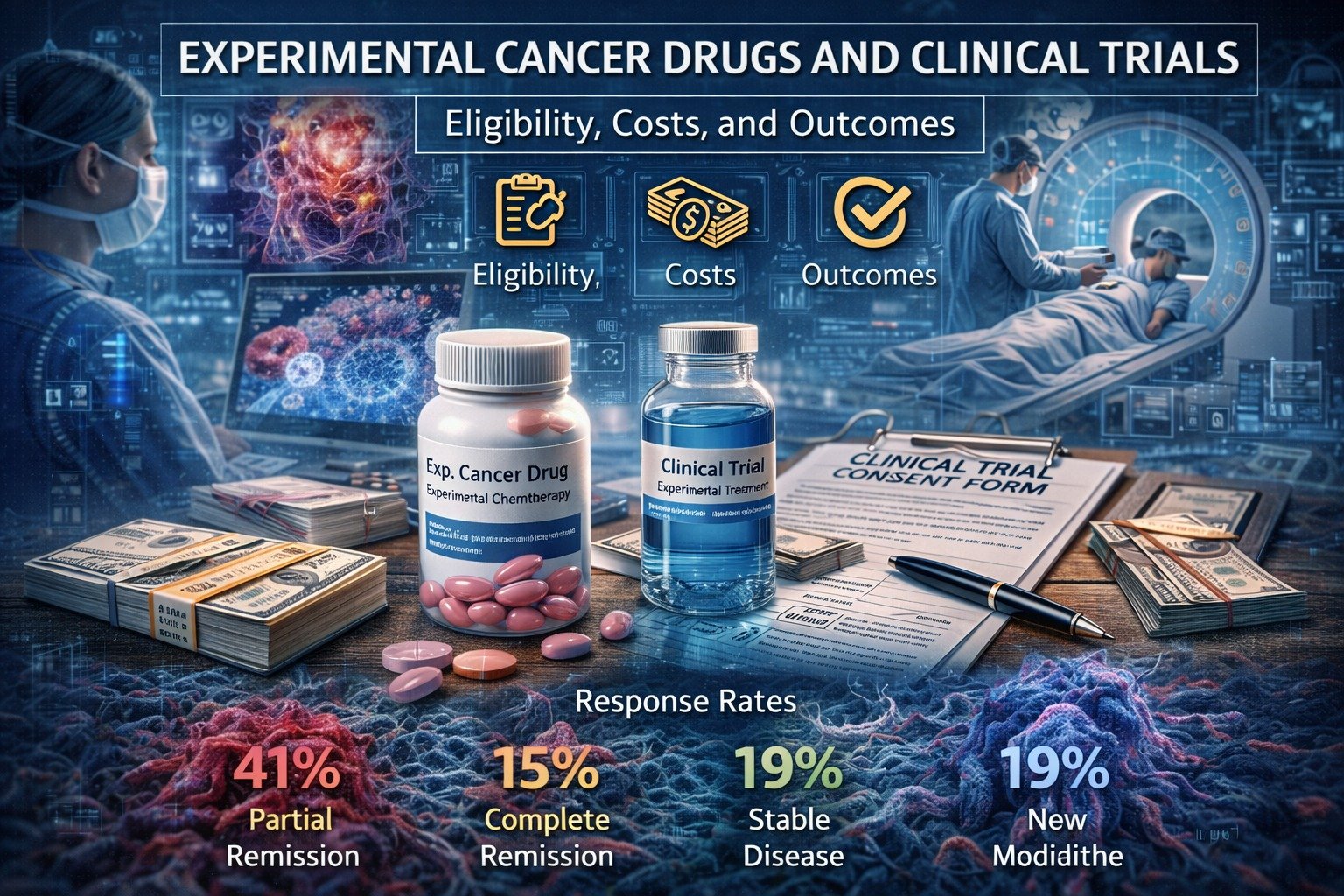
- Enrollment in clinical trials
- Pharmaceutical patient assistance programs
- Financial counseling within hospitals
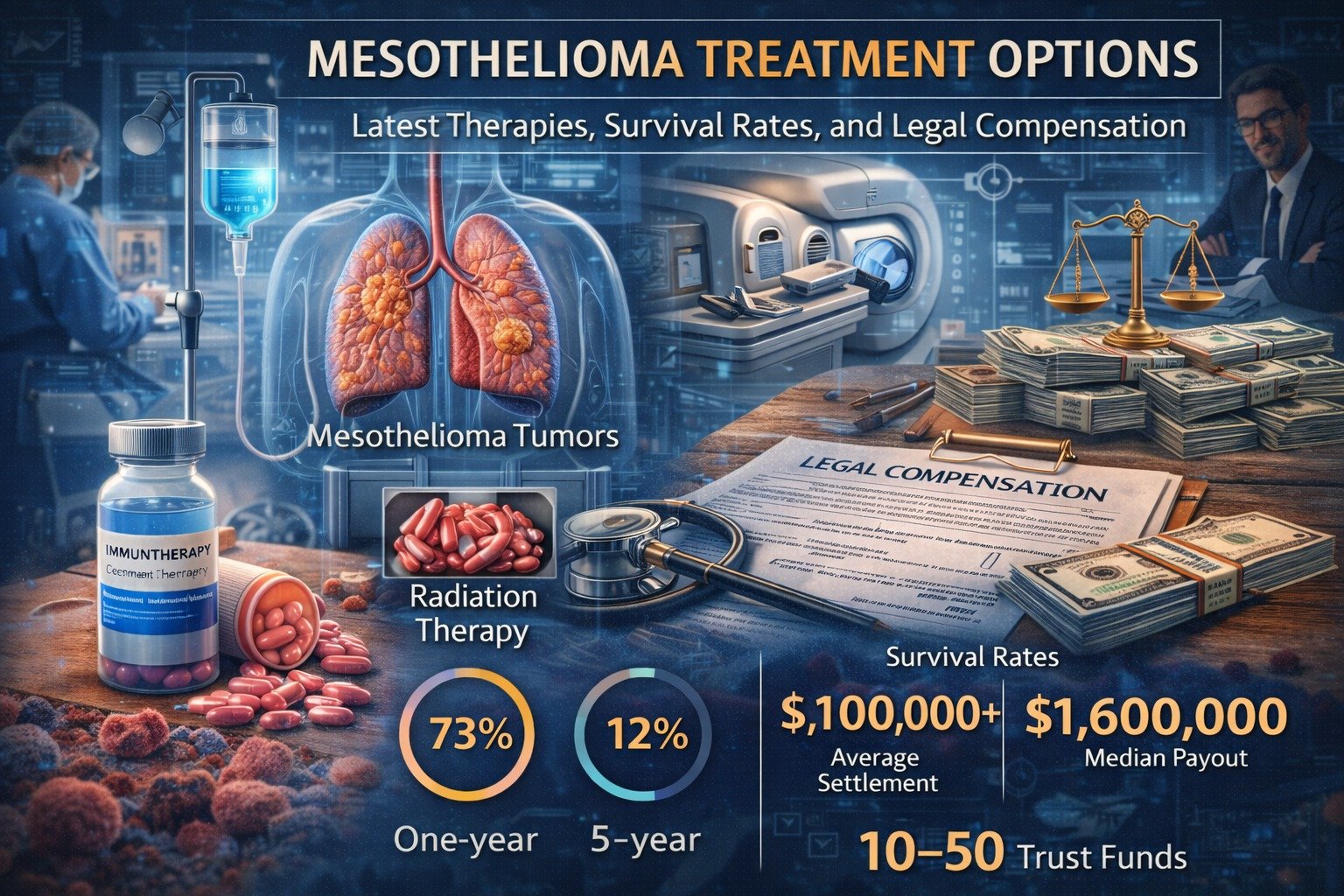
- Legal and charitable aid for qualifying cases
Early financial planning directly impacts treatment continuity.
8. Key Features of Leading Cancer Hospitals
Top-tier cancer hospitals consistently provide:
- Multidisciplinary tumor boards
- Precision medicine and genomic profiling
- Access to next-generation therapies
- Dedicated oncology nursing teams
- Integrated palliative and survivorship care
These features improve outcomes while streamlining complex treatment pathways.
9. Choosing the Right Cancer Hospital
Selection criteria should prioritize:
- Cancer-specific expertise
- Treatment volume for the diagnosed cancer
- Availability of advanced therapies
- Insurance compatibility
- Geographic accessibility
Hospital reputation alone is insufficient without alignment to the patient’s specific diagnosis.
10. Frequently Asked Questions
Why are cancer treatments so expensive in the U.S.?
Costs reflect drug pricing, advanced technology, specialist labor, and extended treatment duration.
Are top cancer hospitals worth the higher cost?
For complex or advanced cancers, outcomes improve significantly with specialized care.
Can uninsured patients receive treatment?
Yes. Many hospitals offer financial aid programs, but access varies by institution.
Is treatment cheaper outside the U.S.?
Costs are lower internationally, but availability of advanced therapies may be limited.
Do clinical trials reduce treatment costs?
Yes. Trial sponsors often cover experimental treatments and associated care.





Leave a Reply