

Table of Contents
- Overview of Mesothelioma
- Types of Mesothelioma
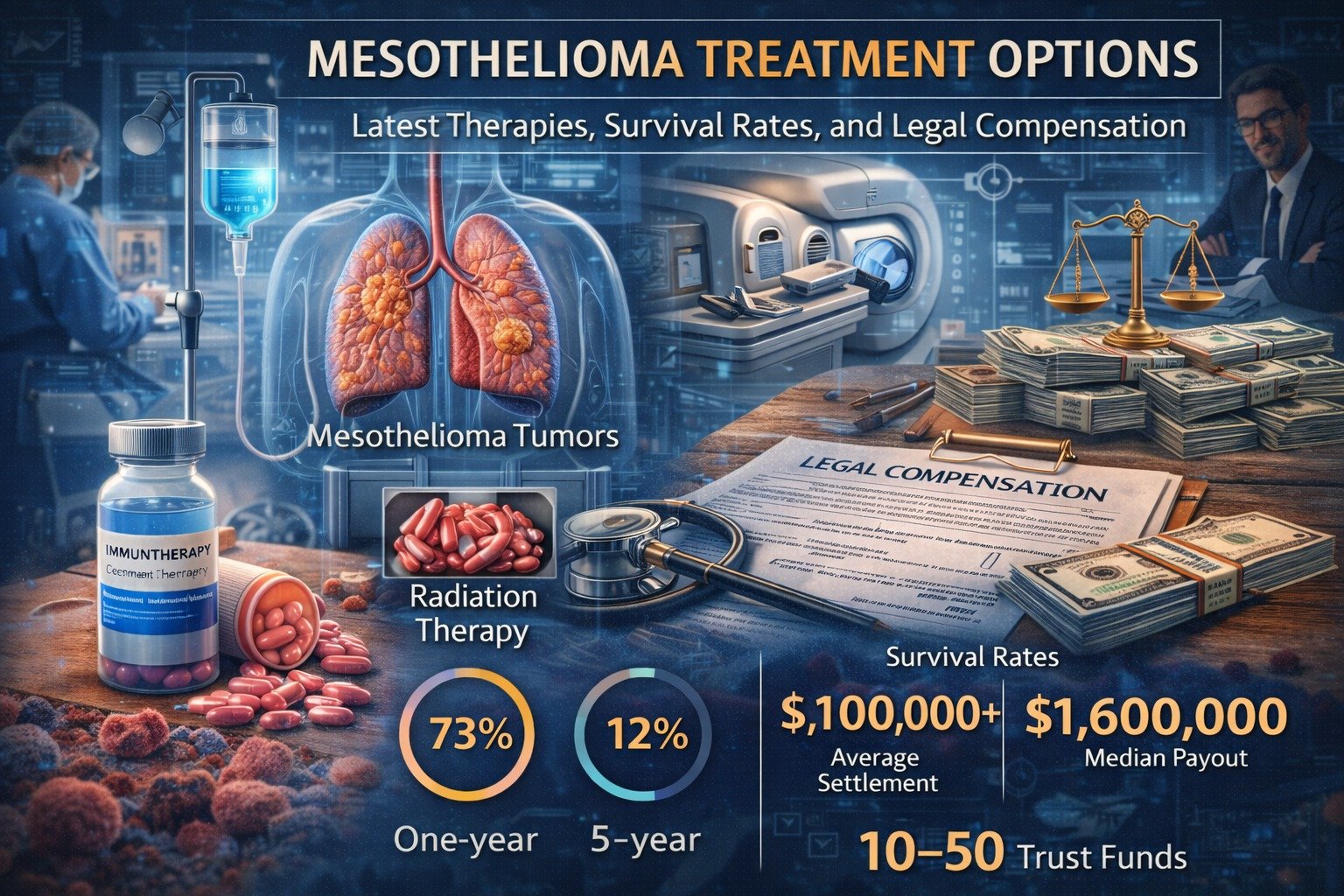
- Modern Mesothelioma Treatment Options
- Emerging and Experimental Therapies
- Survival Rates and Prognostic Factors
- Cost of Mesothelioma Treatment
- Legal Compensation and Financial Assistance
- Key Features of an Effective Treatment Plan
- Patient-Centered Care and Quality of Life
- Frequently Asked Questions
1. Overview of Mesothelioma
Mesothelioma is a rare and aggressive cancer caused primarily by asbestos exposure. It develops in the mesothelium, the thin tissue lining the lungs, abdomen, heart, or testes. Due to its long latency period, diagnosis often occurs decades after exposure, typically at advanced stages. This delay significantly impacts treatment outcomes and survival rates, making early detection and specialized care critical.
2. Types of Mesothelioma
Mesothelioma is classified based on the affected area:
- Pleural Mesothelioma: Affects the lining of the lungs; most common form.
- Peritoneal Mesothelioma: Develops in the abdominal lining.
- Pericardial Mesothelioma: Rare; affects the heart lining.
- Testicular Mesothelioma: Extremely rare; affects the testes.
Each type requires a distinct treatment strategy based on location, stage, and patient health.
3. Modern Mesothelioma Treatment Options
Treatment typically involves a multimodal approach:
Surgery
Surgical procedures aim to remove tumors and affected tissue. Options include extrapleural pneumonectomy and pleurectomy/decortication. Surgery is most effective in early-stage patients.
Chemotherapy
Platinum-based chemotherapy combined with pemetrexed remains the standard first-line treatment. It slows tumor growth and alleviates symptoms.
Radiation Therapy
Radiation targets residual cancer cells post-surgery or provides palliative relief in advanced cases.
4. Emerging and Experimental Therapies
Advancements in oncology have expanded treatment possibilities:
- Immunotherapy: Drugs that activate the immune system to target cancer cells.
- Gene Therapy: Experimental techniques modifying genetic material to inhibit tumor growth.
- Photodynamic Therapy: Uses light-activated drugs to destroy cancer cells.
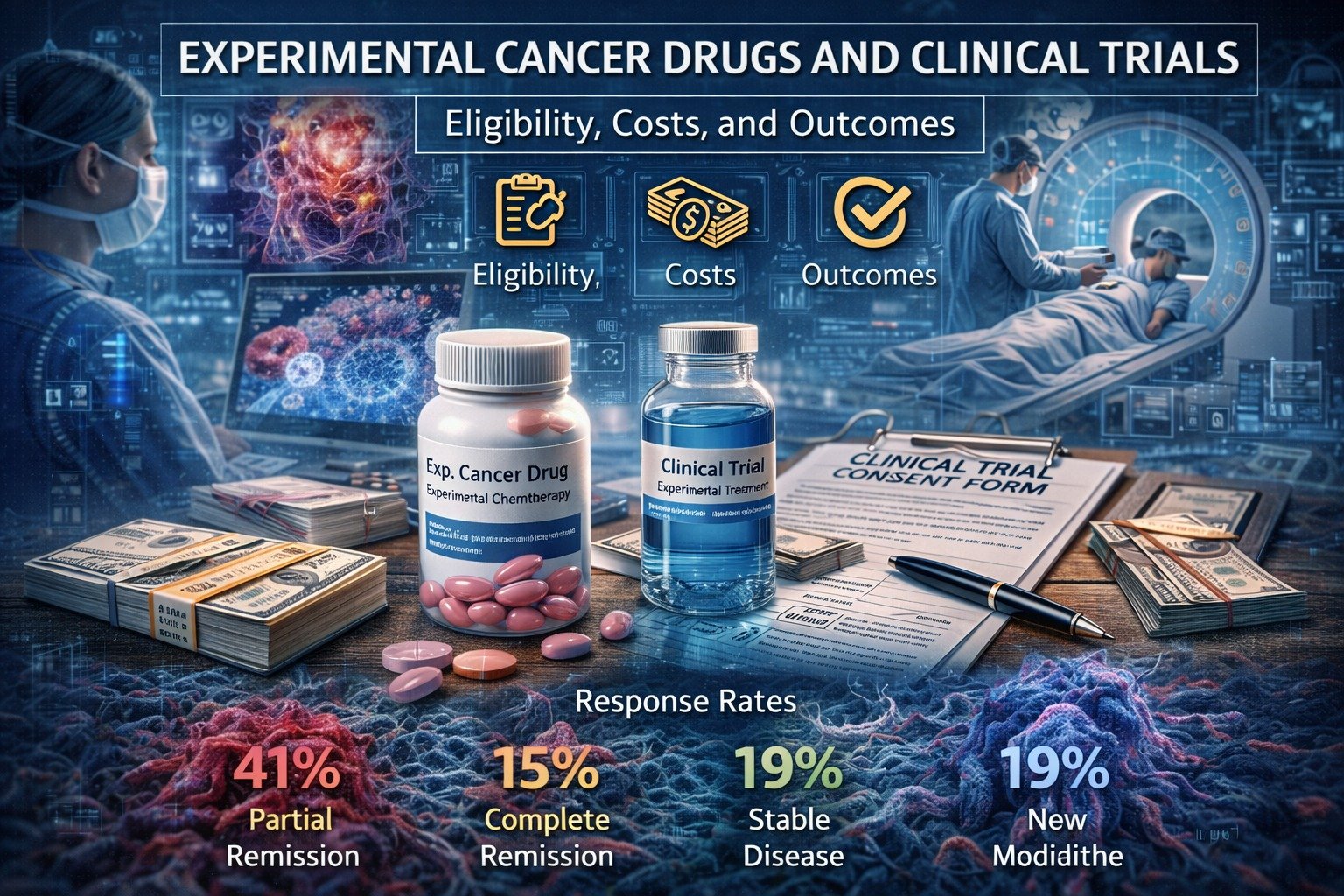
Clinical trials offer access to these therapies, often improving outcomes for eligible patients.
5. Survival Rates and Prognostic Factors
Survival rates vary based on stage, type, and treatment response. Median survival ranges from 12 to 21 months. Factors influencing prognosis include age, overall health, tumor stage, and treatment intensity. Early-stage diagnosis significantly improves survival potential.
6. Cost of Mesothelioma Treatment
Treatment costs are substantial due to specialized care requirements. Expenses may include surgery, chemotherapy, hospital stays, medications, and supportive care. Total costs can exceed six figures annually, underscoring the importance of insurance coverage and financial planning.
7. Legal Compensation and Financial Assistance
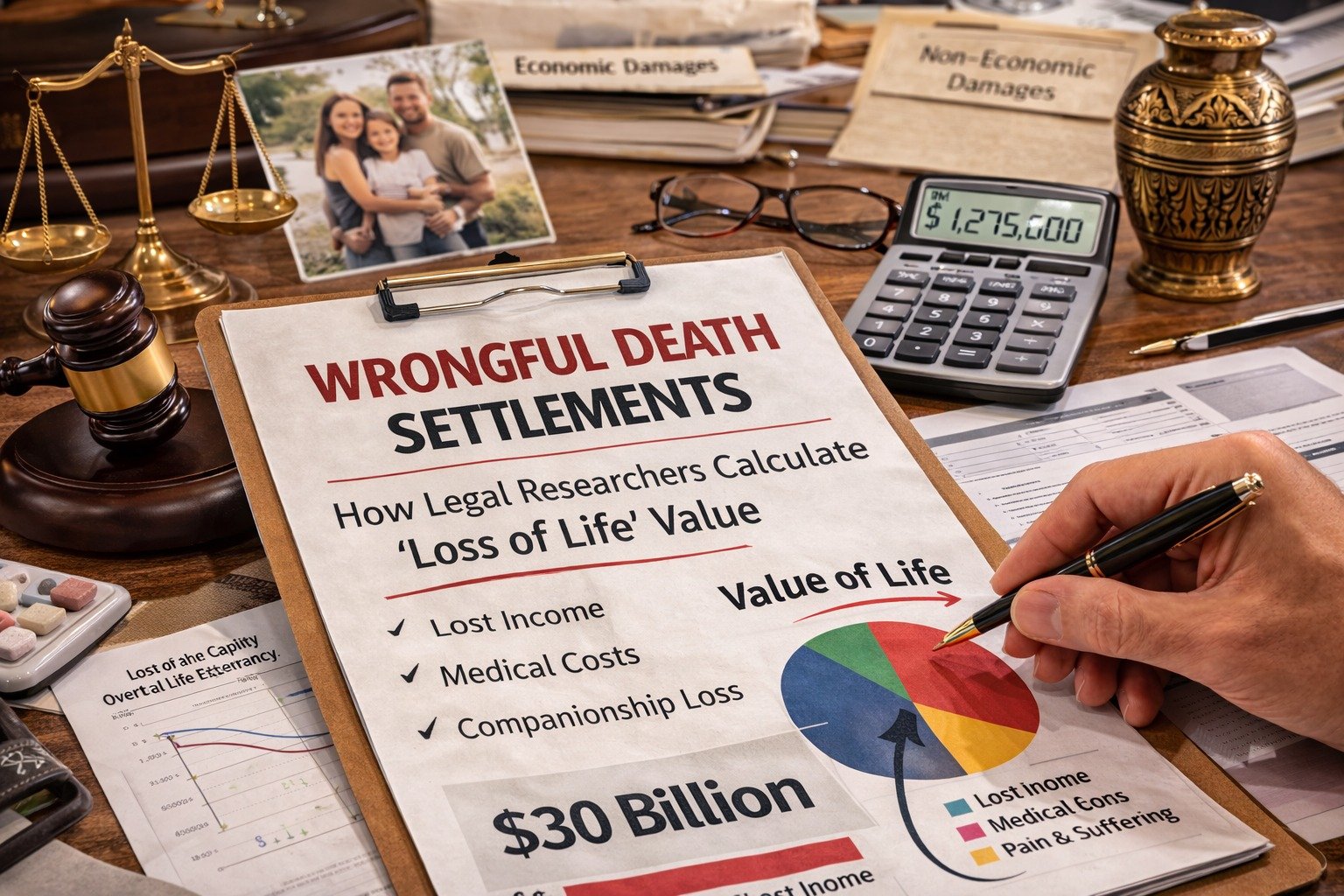
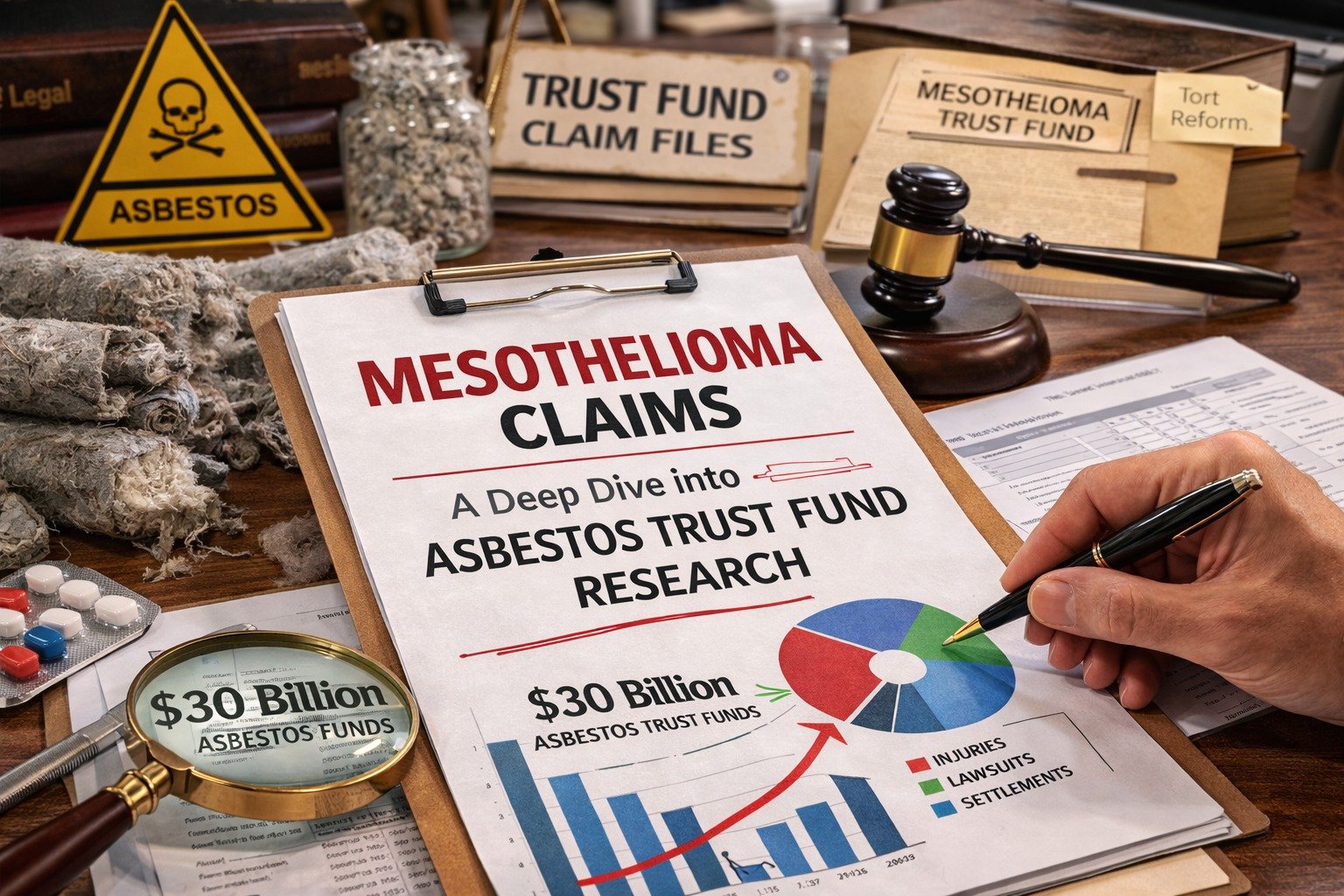
Many patients qualify for compensation due to occupational asbestos exposure. Legal claims may cover medical bills, lost income, and pain and suffering. Asbestos trust funds and settlements provide critical financial relief, enabling access to advanced treatments.
8. Key Features of an Effective Treatment Plan
An optimized mesothelioma treatment plan includes:
- Multidisciplinary medical teams
- Personalized therapy based on cancer type and stage
- Access to specialized cancer centers
- Integrated palliative care
- Financial and legal support coordination
9. Patient-Centered Care and Quality of Life
Beyond survival, treatment focuses on symptom management and quality of life. Pain control, respiratory support, nutritional counseling, and psychological services are integral to comprehensive care.
10. Frequently Asked Questions
What is the most effective treatment for mesothelioma?
Effectiveness depends on stage and type. Multimodal treatment combining surgery, chemotherapy, and radiation offers the best outcomes for eligible patients.
Can mesothelioma be cured?
There is no definitive cure, but early detection and aggressive treatment can extend survival and improve quality of life.
How long does mesothelioma treatment last?
Treatment duration varies, ranging from several months to ongoing management depending on disease progression.
Are experimental treatments safe?
Clinical trials follow strict safety protocols. Risks exist, but trials often provide access to cutting-edge therapies.
Is financial assistance available for patients?
Yes. Legal compensation, insurance coverage, and nonprofit support programs help manage treatment costs.




Leave a Reply